

gravity
play.


aiflowers
A poet instead of a banker.
Remember that the Sixties happened in the early Seventies, right, so you have to remember that and that's sort of when I came of age. So I saw a lot of this and to me the spark of that was that there was something beyond sort of what you see every day. It's the same thing that causes people to want to be poets instead of bankers. And I think that's a wonderful thing. And I think that that same spirit can be put into products, and those products can be manufactured and given to people and they can sense that spirit.
Steve Jobs, "Triumph of the Nerds" .
History of the personal computer !

Ai Weiwei
I call on people to be 'obsessed citizens,' forever questioning and asking for accountability. That's the only chance we have today of a healthy and happy life.

head games


harmony (Words)

Searching for the truth in words.
Ishikawa Takeshi Collaboration
These digital prints are by Ishikawa Takeshi. He is having an exhibition focussed on other artists taking his prints and creating something new with them.
These are the prints that I have chosen to work with.
The random, noisy, natural textures and the intesity of colour is inspiring just on it's own. I have tried a few things so far but yet to settle on one idea.


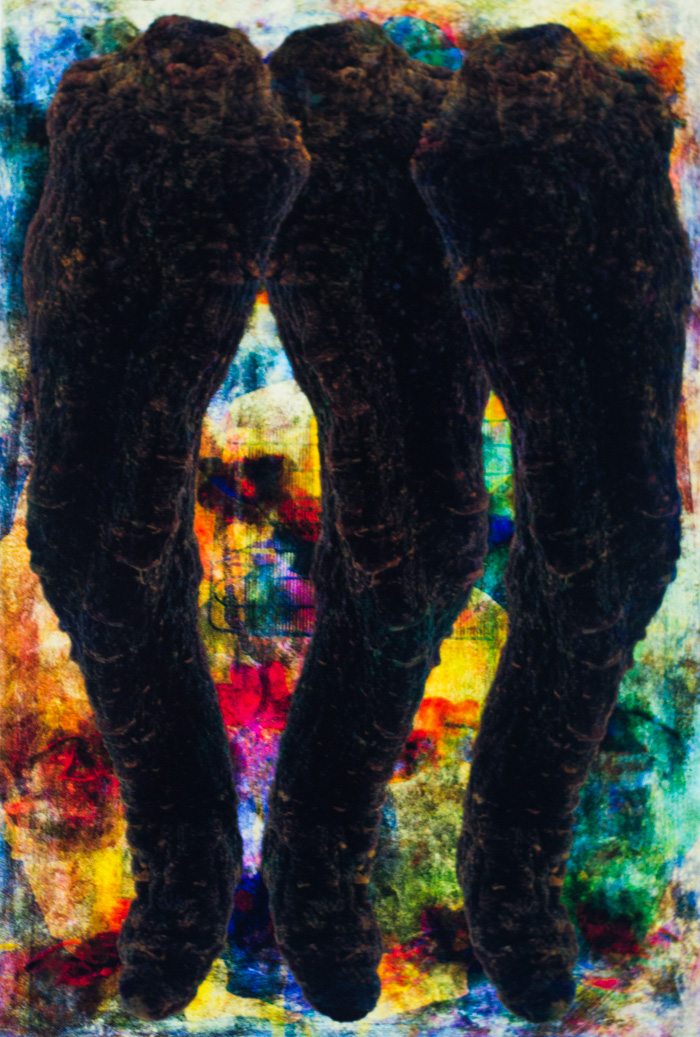


before & after
The original photo vs the final work for print.


new series: Words
A single word. Apply a font style, scale, color, position, etc to clearly communicate an idea about that word and the World. No ambiguity !!!
Hence the empty echo chamber of Dada. A feed back loop of absurdity.



Gallery wall giant template 1
I'm creating my own photoshop Gallery Wall Templates, to preview my work at a variety of gallery sizes.
Art should not be watered down, it should be transformative.
Philippe Chabot on his work, “My work deals with absurdity, dumbness, disenchantment, cult and decay. I am interested in the ways television, radio, web and entertainment culture affect our social and individual identities. I am also intrigued by the position of painting among all the other forms of visual media that surrounds us, and I believe that visual art, in its institutional format, is evolving away from the general public.”
I haven’t just flat out ‘liked’ someone’s fine art in a while as much as I like Chabot’s. It’s like a blender of Francis Bacon, Warhol, Jean Michel Basquiat and maybe just a hair of Walt Disney thrown in for seasoning. It’s everything I love combined.
I believe it is the public that should evolve to the point where they understand art. Art should not be watered down, it should be transformative.
http://en.wikipedia.org/wiki/Rothko_Chapel
http://www.huffingtonpost.com/john-seed/art-meditation_b_1627635.html
grey rabbit
grey mouse (computer)
computer mouse - edward hopper - with abstraction * train station figures relate, eyes looking away, shadowed.
grey-scapes
cold, clinical, industrial scapes - jefferey smart.
humans replaced by robots - Asimov
tiny working... figures dwarfed by the abstract world.
skeletons negative space
Australian Government releases its report into IT pricing
I realised the large price differences while living in Japan. But didn't realise how large those differences were, wow.
The results are in:
The inquiry compared more than 150 products and found that Australians paid up to 50 per cent more than customers in other countries.
• Specifically, Australians pay an average of 66 per cent more for Microsoft products and 42 per cent more for Adobe products.
• Australians pay 84 per cent more on games, 52 per cent more on music, 46 per cent more than the US on computer hardware and 16 per cent more on ebooks.
• Based on the evidence the committee received over the last year it concluded that in many cases the price difference for IT products cannot be explained by the cost of doing business, particularly as it relates to digital downloads.
http://www.news.com.au/technology/australian-government-releases-its-report-into-it-pricing/story-e6frfro0-1226687671422
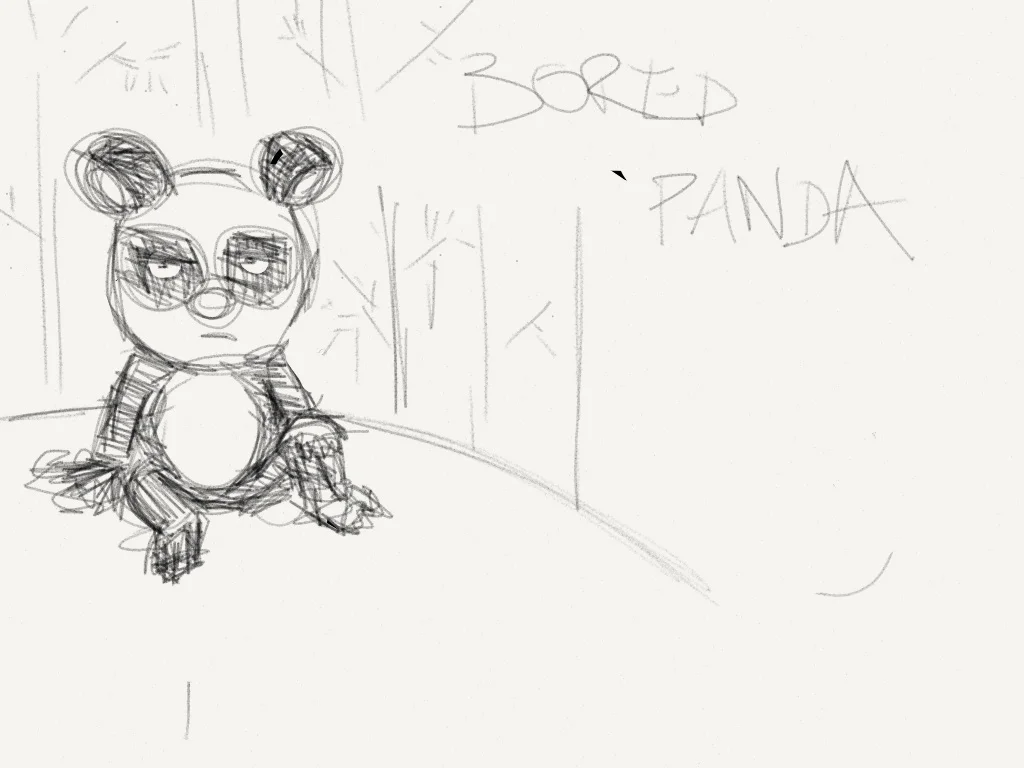
bored beasts


“Most civilisation is based on cowardice. It's so easy to civilize by teaching cowardice. You water down the standards which would lead to bravery. You restrain the will. You regulate the appetites. You fence in the horizons. You make a law for every movement. You deny the existence of chaos. You teach even the children to breathe slowly. You tame.”
― Frank Herbert, God Emperor of Dune
The Jungle
The Jungle is a 1906 novel written by the American journalist and novelist Upton Sinclair (1878–1968).[1] Sinclair wrote the novel to portray the lives of immigrants in the United States. Many readers were most concerned with his exposure of practices in the American meatpacking industry during the early 20th century, based on an investigation he did for a socialist newspaper.
The book depicts poverty, the absence of social programs, unpleasant living and working conditions, and the hopelessness prevalent among the working class, which is contrasted with the deeply rooted corruption of people in power. A review by the writer Jack London called it, "the Uncle Tom's Cabin of wage slavery."[2]
Sinclair was considered a muckraker, or journalist who exposed corruption in government and business.[3] He first published the novel in serial form in 1905 in the socialist newspaper, Appeal to Reason, between February 25, 1905, and November 4, 1905. In 1904, Sinclair had spent seven weeks in 1904 gathering information while working incognito in the meatpacking plants of the Chicago stockyards for the newspaper. It was published as a book on 26 February 1906 by Doubleday and in a subscribers' edition.[4]
A film version of the novel was made in 1914, but it has since become lost.
dystopia - reality - skyscraper - fantasy - utopia - beauty - hope - ugliness - for miles and miles.
MINOR!!! ... .. . major.
.
アルゴリズムこうしん Algorithm March with Ninjas
pitagora suichi (pythagoras switch) Japanese Kids Show
societal pre-determination vs self determination (freedom)
If given the choice to self determination will individuals choose the least destructive path for themselves and others?